Your garage door worked fine through summer.
Then colder weather arrived, and suddenly it’s noisier, slower, less consistent, or refusing to cooperate altogether.
The timing isn’t always a coincidence.
Garage doors are mechanical systems with multiple moving components, and seasonal conditions can expose existing wear or make performance problems more noticeable.
At Valley Access Systems, we recommend paying attention when a garage door’s behavior changes as temperatures fall rather than assuming winter problems will disappear on their own.
Why Can Cold Weather Affect Garage Door Performance?
A garage door system includes tracks, rollers, hinges, springs, seals, an operator, and numerous other components that have to work together every time the door moves.
When temperatures and weather conditions change, components that were already worn, poorly adjusted, or struggling may begin showing more obvious symptoms.
The key isn’t assuming that cold weather caused every problem.
Instead, think of seasonal changes as a reason to pay closer attention to how the system is operating.
If your door is already malfunctioning, Valley Access Systems provides professional garage door repair for problems affecting residential and commercial systems.
Your Garage Door May Become Noisier
Cold-weather garage door problems often announce themselves through sound.
A door that previously operated relatively quietly may begin:
- Squeaking
- Rattling
- Grinding
- Scraping
- Popping
- Banging
A new sound doesn’t tell you exactly which component is responsible, but it does tell you that something has changed.
Listen to where the sound seems to originate and notice whether it occurs during the entire opening cycle or at one particular point.
If the door is becoming increasingly noisy and unreliable, don’t wait until it stops moving altogether before considering service.
Springs and Other Mechanical Components Deserve Respect
A garage door is heavy, and its spring system plays a critical role in its operation.
If your door becomes difficult to open, moves unevenly, or suddenly behaves differently, avoid attempting to adjust high-tension components yourself.
Garage Door Springs Aren’t a Casual DIY Project
Homeowners can safely observe many symptoms.
They can listen for changes, check for obvious obstructions, and notice whether the door appears uneven.
But disassembling or adjusting components under significant tension can create serious hazards.
When you’re unsure what’s causing a problem, professional inspection is the better approach.
Our article explaining why garage doors sometimes won’t open can help you understand several common causes without encouraging unsafe repairs.
Tracks, Rollers, and Moving Parts May Reveal Existing Wear
A garage door travels through the same movement thousands of times over its lifespan.
As components age, performance can gradually change.
Colder weather may make existing issues more noticeable, especially when a door already has worn or damaged parts.
Watch the door while standing at a safe distance.
Does it travel smoothly?
Does it hesitate?
Does one side appear to move differently?
Does the door shake?
Are there new noises?
Those observations can help a garage door professional understand the symptoms you’re experiencing.
Valley Access Systems offers broader garage door solutions in addition to repair services.
Weather Seals Can Become More Noticeable in Winter
Winter is often when homeowners suddenly notice gaps around a garage door.
Cold air, rain, and seasonal weather can make poor sealing much easier to detect than it was during mild conditions.
Look around the closed door.
Are there visible gaps?
Does the bottom seal appear damaged or worn?
Has the door stopped closing evenly?
The issue may involve the seal itself, the door’s alignment, or another part of the system.
A garage door that doesn’t close properly can be both inconvenient and a sign that professional attention is needed.
The Garage Door Operator May Also Be Part of the Problem
It’s easy to blame the door itself whenever something goes wrong.
But the operator is another important part of the system.
Pay attention if the opener:
- Sounds strained
- Operates inconsistently
- Starts but doesn’t complete the cycle
- Reverses unexpectedly
- Makes new noises
- Appears to work harder than before
Valley Access Systems provides garage door and gate operators and can evaluate the complete system rather than guessing which component is responsible.
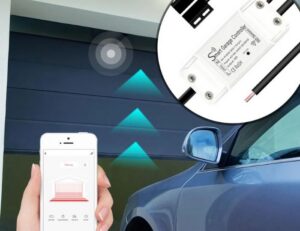
For homeowners considering newer technology, our guide to the benefits of smart garage door openers provides additional information.
How Do You Know Whether the Door Needs Repair or Replacement?
One winter problem doesn’t automatically mean you need an entirely new garage door.
Many problems may be repairable.
However, age and overall condition matter.
If the door has developed repeated issues, significant wear, visible damage, or multiple failing components, replacement may become worth discussing.
Our guide to garage door lifespan and replacement signs can help homeowners think through that decision.
A professional assessment can then determine whether repair or replacement makes more sense for the specific system.
What Should You Check Before Calling for Garage Door Service?
You don’t need to become a garage door technician to provide useful information.
Before calling, note:
- What the door is doing
- When the problem began
- Whether it happens every time
- Whether cold weather seems to make it worse
- Any unusual sounds
- Whether the opener responds
- Whether the door moves evenly
- Whether you see obvious damage or obstructions
Avoid taking components apart to investigate.
A clear description of the symptoms is often more useful than attempting a repair without knowing the cause.
Valley Access Systems serves communities throughout Oregon, including Beaverton, Lake Oswego, and Oregon City.
Get Your Garage Door Ready for Winter With Valley Access Systems
A garage door is something homeowners often expect to work every day without thinking about it.
Winter can quickly change that.
If your garage door becomes noisy, slow, uneven, or unreliable as temperatures fall, addressing the problem early can help you understand what’s happening before you’re stuck with a door that won’t operate when you need it.
Explore Valley Access Systems’ service options or contact Valley Access Systems to schedule professional help with your garage door system.
Key Takeaways
- Seasonal temperature changes can make existing garage door problems more noticeable.
- New noises such as grinding, scraping, squeaking, or banging deserve attention.
- Uneven or jerky movement may indicate that mechanical components need inspection.
- High-tension garage door components shouldn’t be casually adjusted as a DIY project.
- Winter can make damaged weather seals and gaps around the door easier to notice.
- The garage door operator may be responsible for some performance problems.
- Age, condition, and repair history can help determine whether repair or replacement makes sense.
- Addressing problems before complete failure can reduce the chance of an inconvenient winter breakdown.